

Camilla Beckles, also known by her creative name “Camille at the Wheel,” is a celebrated ceramic artist in Queens. Her hand-carved pieces, featuring pastel hues and minimalist details, perfectly balance beauty with functionality. Her creations include pots, mugs, plates, and other household items. Read more about the journey of this artist and entrepreneur below on queens1.one.
Pottery as the Ideal Therapy
Camilla Beckles was born in St. Louis, Missouri. As she shared with Paperblanks, her imagination was highly developed from an early age, with writing as a favorite pastime. She kept a journal and dreamed of becoming a journalist, enjoying everything associated with writing, including stationery.
During a difficult period in her life in her twenties, Camilla sought a creative outlet to help clear her mind and dispel negative thoughts. Now living in Queens, she discovered pottery, which quickly became her ideal form of therapy. From her first class, she was captivated by the art of wheel-throwing, which required complete focus—her hands covered in clay, preventing distractions. Pottery, she shared, brought her a sense of inner peace.
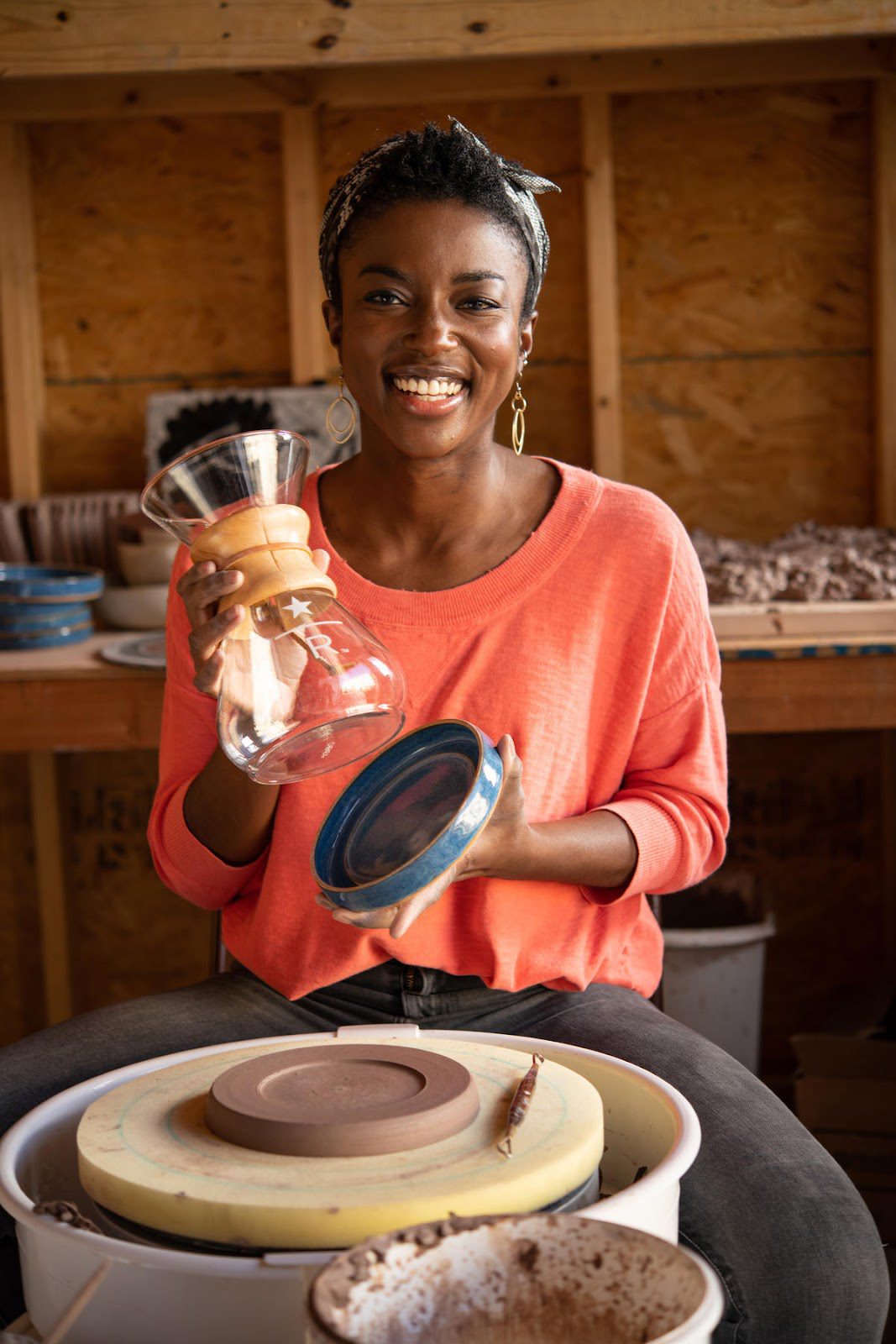
Soon, friends and family started buying her pieces, which encouraged her to consider opening a pottery studio. Camilla didn’t just want to sell her creations on Instagram or Etsy; she dreamed of a recognizable brand. In 2018, Beckles launched her pottery studio and website, Camille at the Wheel. She debuted with the Hello Dotty series, a line of intricately hand-carved cups.
A Logo from Her Fiancé
Camilla’s fiancé designed the first version of her brand’s logo as a birthday gift. Inspired by YouTube videos of other potters who often stamped their work as a finishing touch, she wanted her own unique mark.
Years later, Beckles sought the expertise of her designer friend, Eric Doctor, to update and refine her brand. The logo, featuring an illustration of a Black woman in a headscarf resembling Camilla herself, helped her reinforce a strong sense of identity.

Doctor added the playful title “Camille at the Wheel” to the logo, which became a recognizable brand element, helping to attract new customers.
Blending Beauty and Functionality
Beckles starts her creations with sketches that outline the future shape of each piece. After shaping a vessel on the wheel, she lets it dry for one to two days, then adds shallow cuts to the clay—a favorite part of her process as it allows her creativity to flow.
The quality of her carvings, along with the silhouette, determines the piece’s final color. The more intricate the design, the subtler the color. She favors white because it provides a clean, simple finish that doesn’t compete with the design. While she primarily works in neutral palettes, Beckles enjoys experimenting with new colors and techniques. For instance, she once created a line of Tumblers with an ombré effect by dipping them in porcelain slip before firing and glazing.
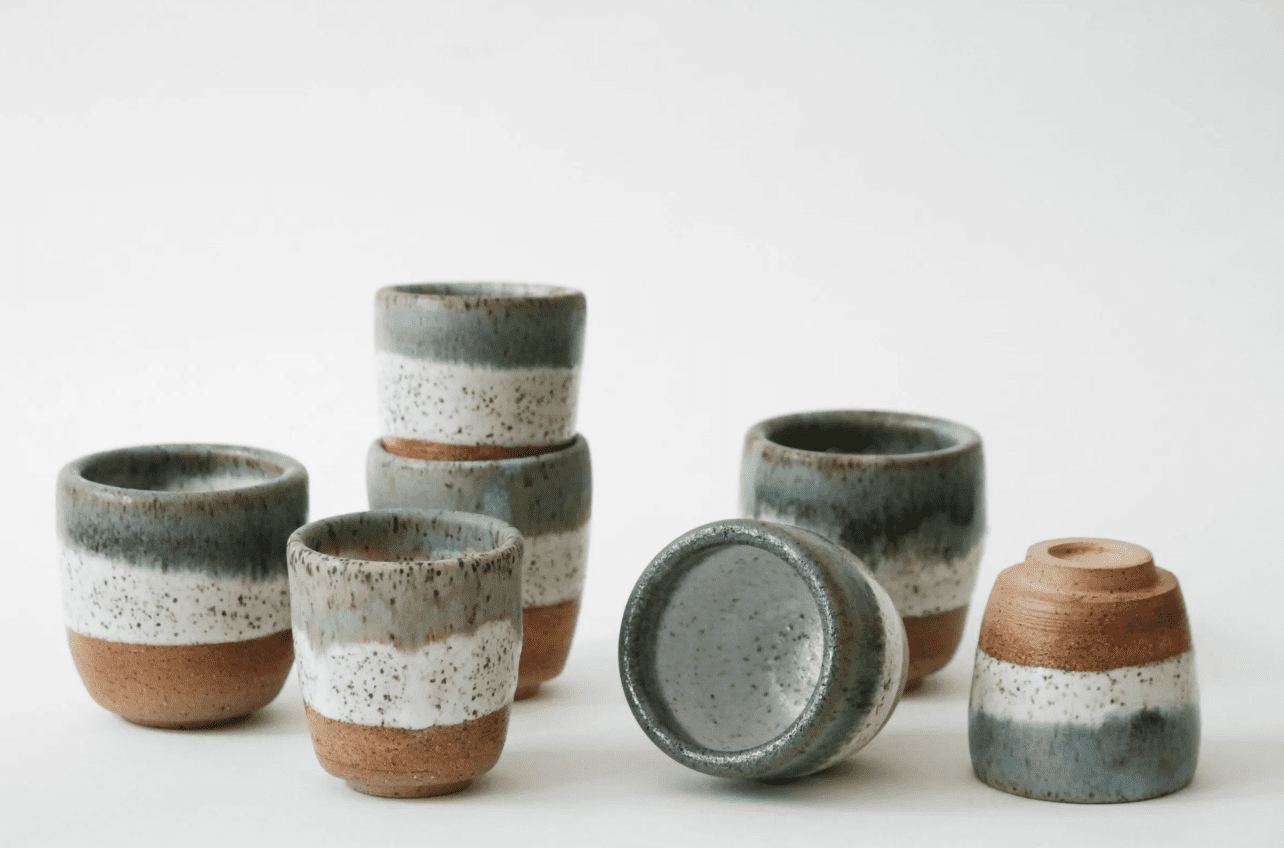
Although some potters focus on perfect shapes, Beckles embraces imperfections, focusing on a piece’s usability and comfort in daily use. Her collection of plates, mugs, pots, and vases exemplifies “beautiful utility,” ideal for everyday use. Her pottery exudes a warm, “homemade” look.
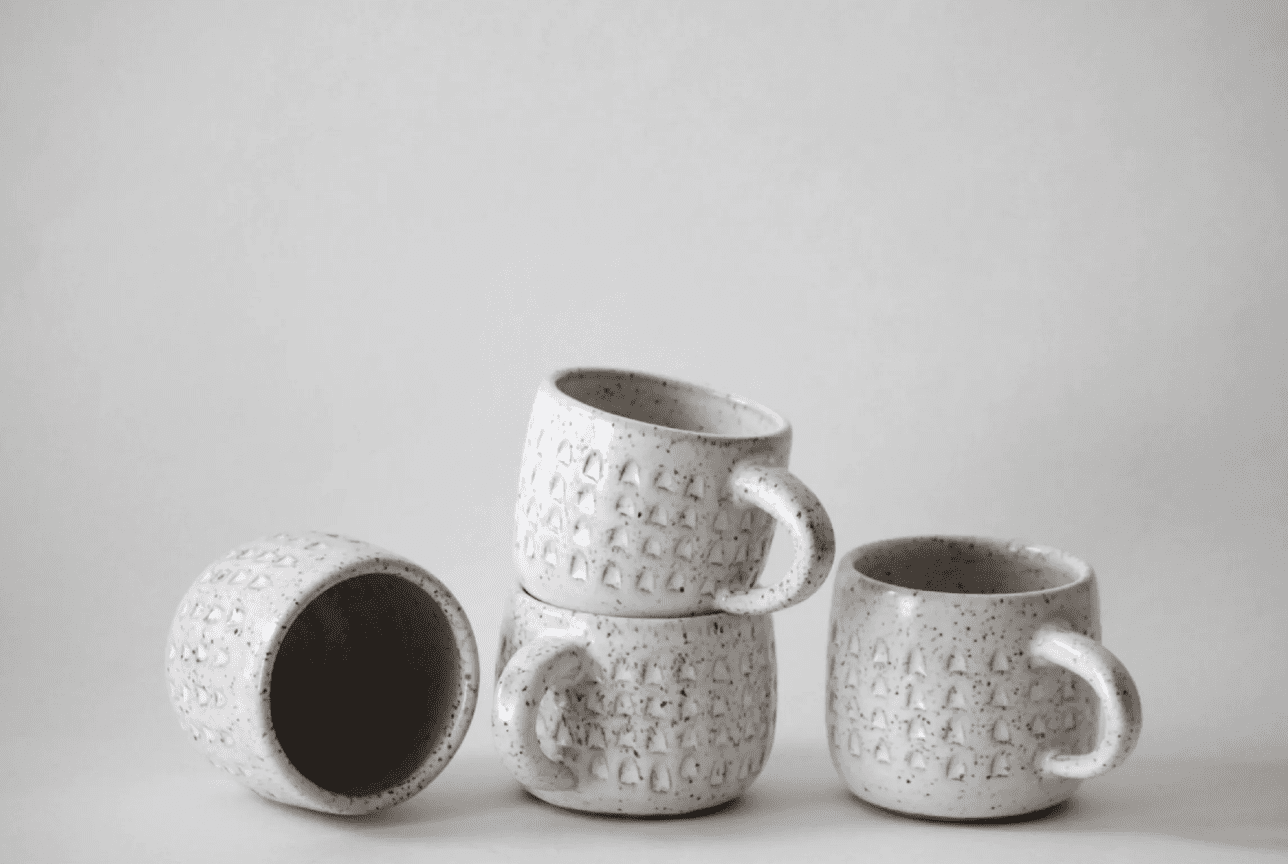
Beckles has experimented with different types of clay. Her Throwing Lines collection stands out for its fingerprints and smudges, turning these “imperfections” into unique features that highlight the human touch essential to handmade ceramics.
Demand Drives Supply
Beckles finds inspiration in her own needs and interests. Often, she creates pieces simply because she needs a new cup, bowl, or pot. If she comes across a design she likes, she’ll recreate a similar one for her collection. She’s also inspired by the textures, techniques, and shapes in other ceramics.
Repetition is key to her creative process, allowing her to perfect each piece and identify areas for improvement. She often starts with a simple shape, such as a basic cylinder, then adds variations with new carvings.
Although she prefers producing small, regular batches, the COVID-19 pandemic led her to work on a made-to-order basis. For custom pieces, her creative process incorporates clients’ tastes and preferences.
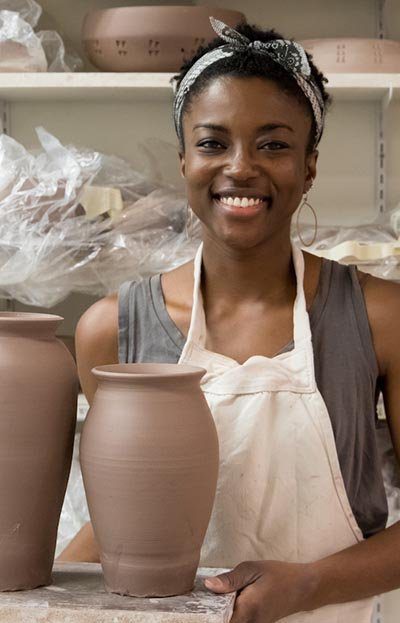
To track her work, Beckles uses a sketchbook, documenting completed pieces and keeping a record of shapes, sizes, glaze combinations, prices, and timelines, ensuring she can replicate items in the future.
Maintaining a Healthy Balance
Running a creative business requires dedication, especially since ceramics is a part-time endeavor for Beckles. She works full-time as a Senior Program Manager at the Center for Policing Equity, an organization that collects data to help law enforcement agencies better serve their communities.
Balancing these commitments isn’t always easy. Some days, she starts pottery work at 6:00 a.m. before heading to the office, while other times, she spends her evenings in the studio. Beckles prioritizes self-care, taking breaks when she feels exhausted to avoid burnout. Her structured calendar and careful time management are crucial for balancing her multiple responsibilities.
In addition to creating her pieces, Beckles also shares her expertise with the community. She has taught pottery at the Metropolitan Museum of Art and Mud Matters pottery classes, where she developed a seven-week course for beginners and advanced potters. The course covers foundational skills and advanced techniques like teapot making. Beckles has also shared her journey through podcasts and media, and her pottery has led her to partnerships with brands like Starbucks Reserve Roastery and jewelry designer Hannah Blount.