

Stern gained popularity for his unusual radio shows. He earned a reputation as a totally honest host. However, this did not contribute to his salary or audience growth. He changed jobs for several years until he landed at WNBC. Stern’s struggles with management and lewd on-air segments brought him to the national spotlight. Read more about the radio host, as well as his work on television and as a writer, on queens1.one.
Early years
Our hero was born on January 12, 1954, in Queens, to a Jewish-American family of Polish and Austro-Hungarian descent. Howard’s mother worked as an office clerk before becoming a housewife and an inhalation therapist later. His father worked as a sound engineer after serving in the army. He introduced his son to radio.
At the age of 5, the boy decided that he wanted to become a radio star. The incredibly shy Stern (which you can’t say about him in adulthood) created his own fictional show. To do this, his father installed a microphone, tape recorder and record player in the basement of the house. Howard’s radio show consisted of pre-recorded prank calls, sketches and commercials.
In 1955, the family moved to Long Island. The boy attended school there. He also mastered the piano. Together with two school friends, he founded the Electric Comicbook band. He spent summers at a youth camp and worked in the campsite and in the kitchen. He also served as a counselor.
The young man received his higher education at Boston University. In his second year, he began working at the student radio station, WTBU. He played records, read the news and conducted interviews. Together with three classmates, he hosted the weekly comedy show.
Radio King
After receiving the mandatory certification for radio broadcasters, Stern got his first professional job at WNTN in Newton (Massachusetts). After university, he began hosting evening broadcasts at the WRNW rock station in the village of Briarcliff Manor. Then, he sold advertising time on the radio in Queens. After a series of memorable broadcasts in different states, he settled in Washington.
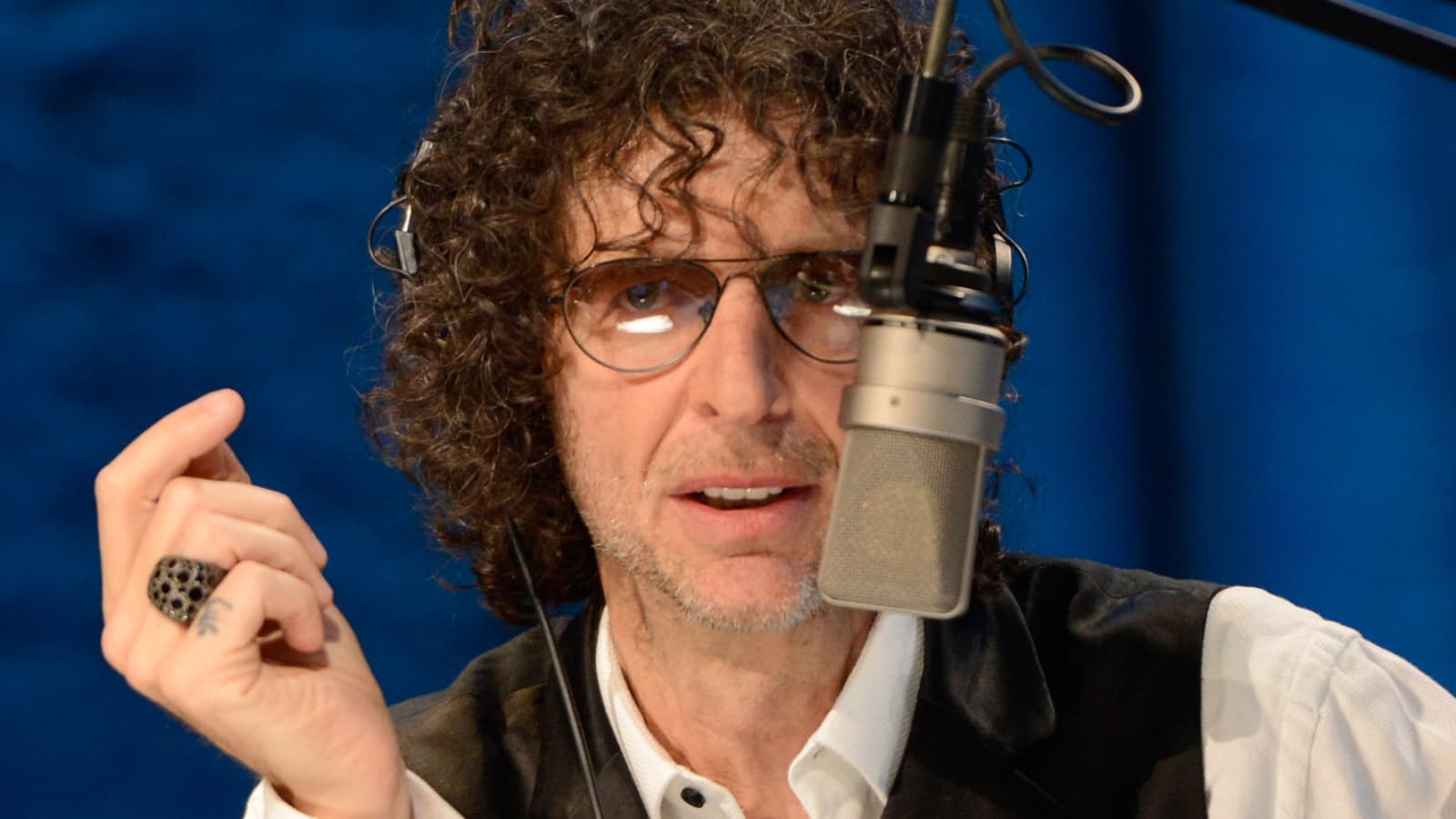
In the capital, Stern created a popular radio format with Robin Quivers. He kept audiences engaged with self-deprecating jokes, provocative interviews with lesbians and candid comments about sex, body image and celebrities. In addition, his radio studio was visited by nude women. All of this contributed to the extraordinary popularity of the radio program. The New Yorker was nicknamed the Radio King.
In 1982, the duo was fired after a dispute with the station’s management. Then, they signed a contract with WNBC. Stern created another highly rated show. However, its outrageous humor was criticized by the public as racist and misogynistic. In the late 1990s, the Federal Communications Commission fined Howard’s program more than $2 million for its obscene content. He was fired, although the show had the highest ratings on WNBC.
In 2004, he signed a deal with Sirius XM Radio, which was not subject to the FCC’s content regulations. In 2006, Stern’s first show aired. Since then, Howard has earned over $1 billion (not counting the hundreds of millions he earned working in cable radio).
Broadcaster and writer
In addition to his radio work, he hosted several television programs. In 1993, he published his autobiographical book, Private Parts, which was a number one on the NYT bestseller list for 5 weeks. The autobiographical sections of the book were adapted into the 1997 feature film. The author and his staff played in it.
In 1995, the author published another book, Miss America, a sequel to Private Parts. In it, Stern wrote about a variety of topics, such as his experience with obsessive-compulsive disorder, on-air rivalry with other radio hosts, a private meeting with Michael Jackson, etc. Like the previous book, Miss America was a commercial success. It sold 33,000 copies on its first day of release. It was a record at the time.
Personal life
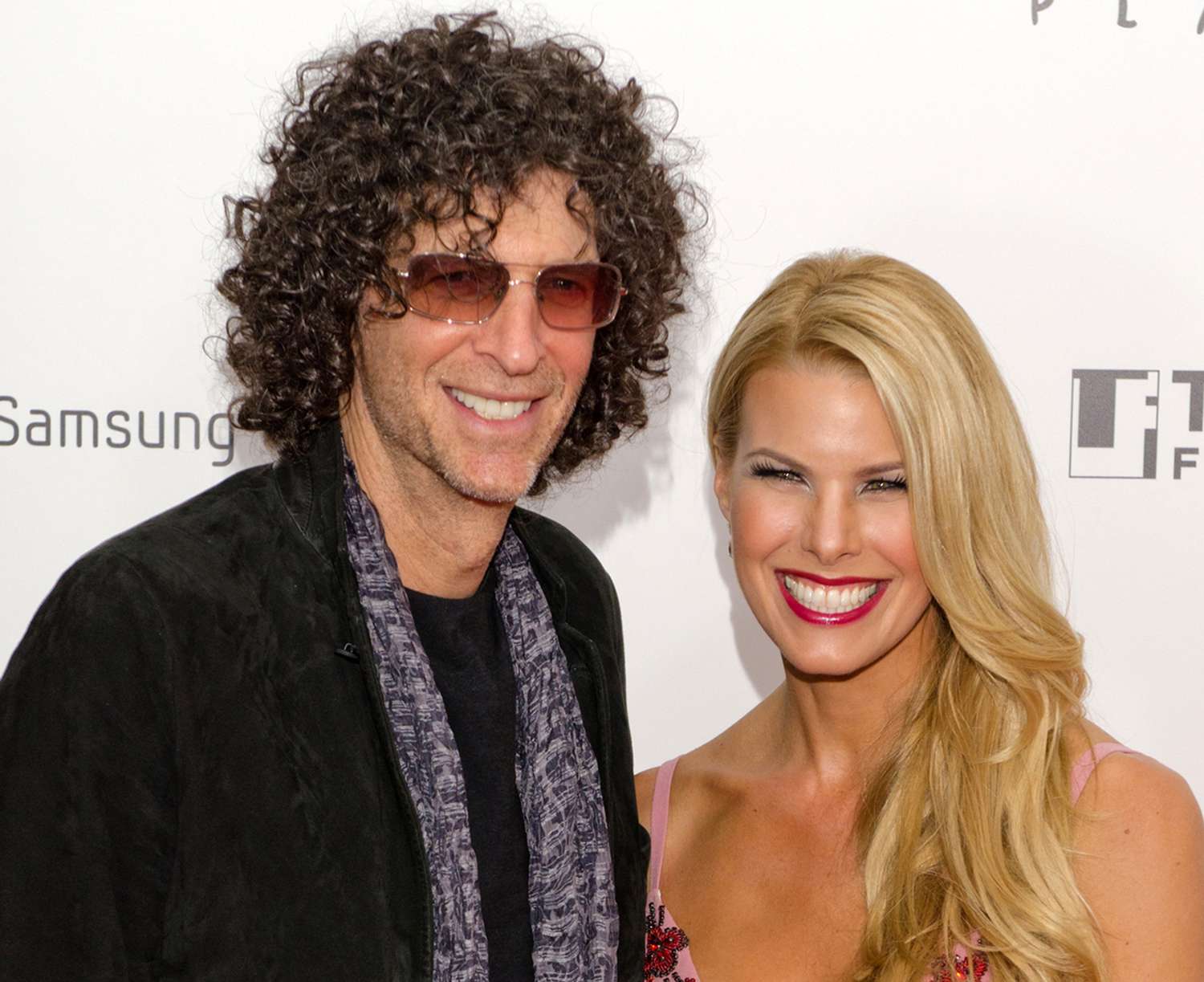
While studying at Boston University, he met his first wife, Alison Berns. They married when both were 24 years old. The couple had three daughters. In 2001, they amicably divorced. Work turned out to be more important to Stern than family. In 2007, the Radio King announced his engagement to Beth Ostrosky, 18 years his junior model and TV presenter. A year later, they got married.
In the early 1970s, Stern and his parents began practicing transcendental meditation, a widely used technique for stress reduction and unlocking the full potential of the mind. This practice supposedly helped Howard quit smoking, achieve his radio goals, overcome obsessive-compulsive disorder and cure his mother’s depression.