

Michael Martin, better known as Iz the Wiz, adorned dozens of New York City subway trains with his iconic graffiti. Some saw him as a vandal, while others considered him a brilliant artist. He was a pioneer of a new art form that began to flourish in the 1970s in New York and Philadelphia, eventually spreading across the U.S. and worldwide. Read more about this avant-garde artist, whose only tools were spray paint, below. More on queens1.one.
“The King of New York”
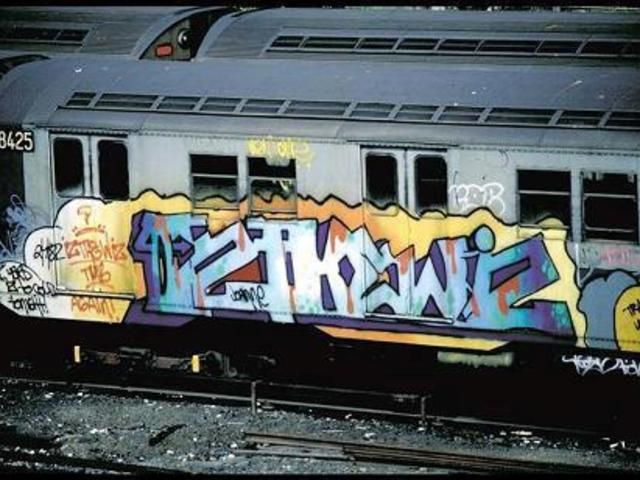
Michael Martin was born on November 30, 1958, in Queens. At the time, the borough was home to both creative communities and a mix of gangsters, drug addicts, and criminals. Martin chose the brighter path, dedicating his life to art. The graffiti writer, as street artists often call themselves, began his career in 1972 at just 14 years old. He decorated subway cars with his tag more frequently than any other artist of his time. Sometimes, he completed up to 100 outlined and single-color filled tags in a single night. Additionally, Martin created complex pieces, such as a tribute to John Lennon after the musician’s assassination in 1980.
Martin’s style could be described as wild, psychedelic, and uniquely his own. For a time, he led graffiti crews like Master Blasters and Queens Prisoners Of Graffiti. Since the subway cars carrying his work traveled throughout the city, Martin gained a growing following with each passing day. Known as a legend among graffiti artists, Iz the Wiz was hailed as “The King of New York,” reigning for the longest time in the city’s graffiti history.
Interestingly, the first graffiti in New York appeared after the death of musician Charlie Parker, nicknamed Yardbird or Bird, in 1955. His fans scrawled “Bird Lives” on walls around the city. As the art form evolved, so did its terminology. For example, a “whole car” referred to graffiti that covered the entire visible surface of a subway car.
Beyond the Subway
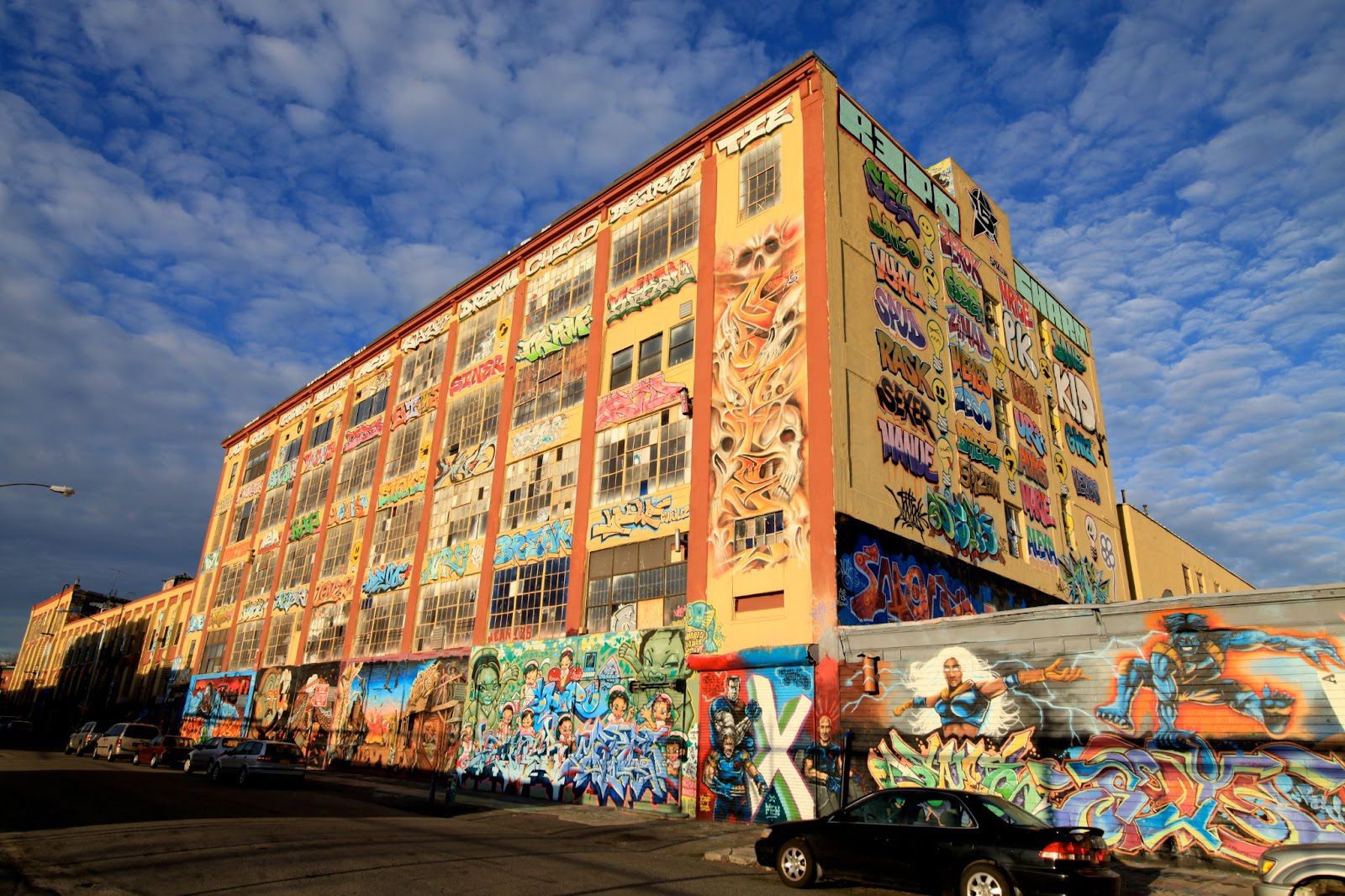
In the 1980s, New York authorities began actively removing graffiti from the city’s subway system. Iz the Wiz adapted by focusing his art on freight trains and walls in Queens. In 1993, Michael Martin and Peto DeLillo opened the Phun Factory in Long Island City, transforming a former water meter factory into a legal graffiti space. It became a safe haven for promoting aerosol art. Many novice graffiti writers honed their skills at the Phun Factory, often collaborating alongside veteran artists.
In 2002, the site was renamed “5 Pointz” when graffiti artist Jonathan Cohen began curating its exterior murals. The former industrial space became the world’s largest treasure trove of graffiti art. Spanning 12 buildings, from one to five stories tall, it attracted elite aerosol artists from across the U.S. and beyond. 5 Pointz became such a famous art hub that tourists from around the globe visited Long Island City to photograph its stunning graffiti. However, in 2013, the site was demolished and later replaced by a residential complex.
Iz the Wiz appeared in two iconic 1983 hip-hop culture documentaries, Style Wars and Wild Style. His works were exhibited in galleries worldwide. In his later years, Michael Martin struggled with kidney issues, which many attributed to years of inhaling toxic paint fumes and subway dust. He moved to Florida, where he faced financial hardships, struggling to afford rent and medical care. On June 17, 2009, the legendary artist collapsed at his brother’s home, likely due to a heart attack. He was 50 years old.