

The Queens Public Library is one of three public library systems serving New York City. With 62 branches, it provides resources for the international community of Queens. In addition to English, much of its collection is available in Spanish, Chinese, Korean, and other languages. It is one of the world’s largest library systems by circulation and among the nation’s most extensive by collection size. In 2009, Library Journal named it “Library of the Year.” Read more on queens1.one.
History
The first library in Queens was established in 1858, specifically in the Flushing neighborhood. Initially, it required a subscription, but by 1869 it became free. Several more libraries appeared in western Queens at the end of the 19th century. In 1896, these libraries formed the Long Island City Public Library system, Queens’ first multi-branch library system.
In 1901, shortly after Queens was annexed into New York City, the city consolidated all borough libraries into the Queens Borough Public Library. Small storefront and shopping area branches soon opened in nearly every neighborhood. In 1930, the original Central Library was built in Jamaica, a four-story Renaissance-style structure. Despite its elegance, it could not meet demand and was replaced by a more spacious facility in 1966. This library supports education and scholarly research, with a local history collection containing thousands of photographs and books about Queens’ history.
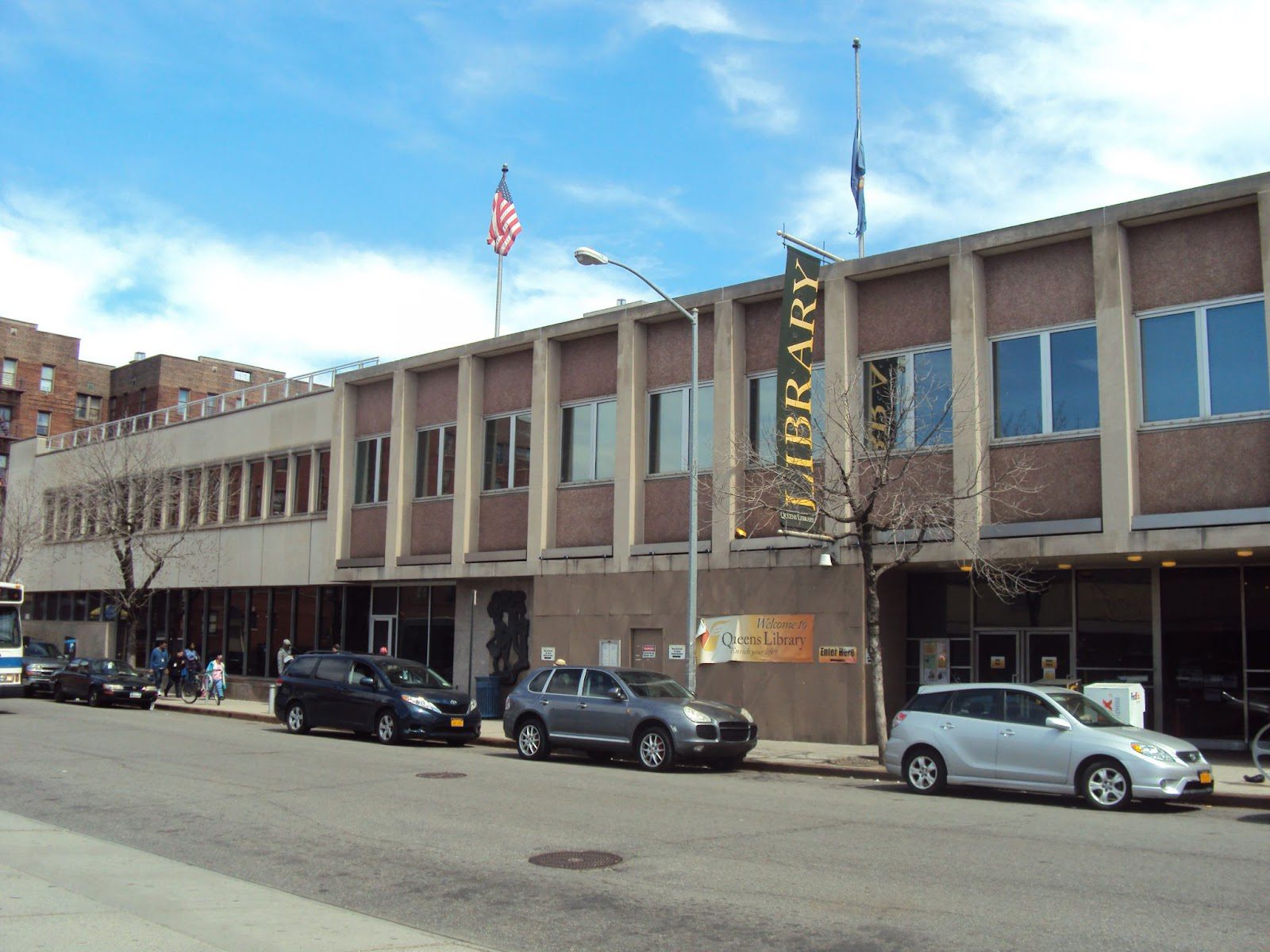
From 1904 to 1924, seven libraries were built in densely populated areas with funding from multimillionaire philanthropist Andrew Carnegie. In the early 20th century, Carnegie was the world’s wealthiest man, earning his fortune primarily in the steel industry. Carnegie libraries are distinguished by their grandeur and lavish decorative details. Unlike other libraries, they rarely featured high shelving requiring ladders or closed galleries. Instead, they offered lecture rooms and reading areas for adults and children.
As Queens’ population grew, so did the number of library branches. By 1946, the Queens Borough Public Library had 44 branches, a central collection at the Central Library, and a mobile library to deliver books to readers. The system continued expanding. In April 2019, it was renamed Queens Public Library. It is funded by the city, various grants, and benefactors, and managed by a Board of Trustees with 19 members appointed by the New York City Mayor and the Queens Borough President.
Archives
The Archives at Queens Library, housed in the Central Library, was created in 1912 as a special collection focused on the history of Queens, Brooklyn, Nassau, and Suffolk counties. It includes books, publications, newspapers, family manuscripts, genealogical material, historical maps, atlases, and more.
The Queens Memory Project is a noteworthy initiative – a collaborative archival program aimed at recording and preserving contemporary Queens history. This project is a joint effort of Queens College, the City University of New York, and the Queens Public Library. Archive materials are publicly accessible on the project website, which includes oral history interviews and photographs documenting the lives of Queens residents.
Programs and Services
Educational, informational, and cultural programs make the Queens Public Library a model for libraries worldwide. For example, the Queens Public Library offers a variety of services for children and teens. Eighteen library branches participate in the STACKS program, designed to enrich young people’s knowledge outside of school hours. The program provides homework resources, tutoring, and more, with daily activities for engagement.
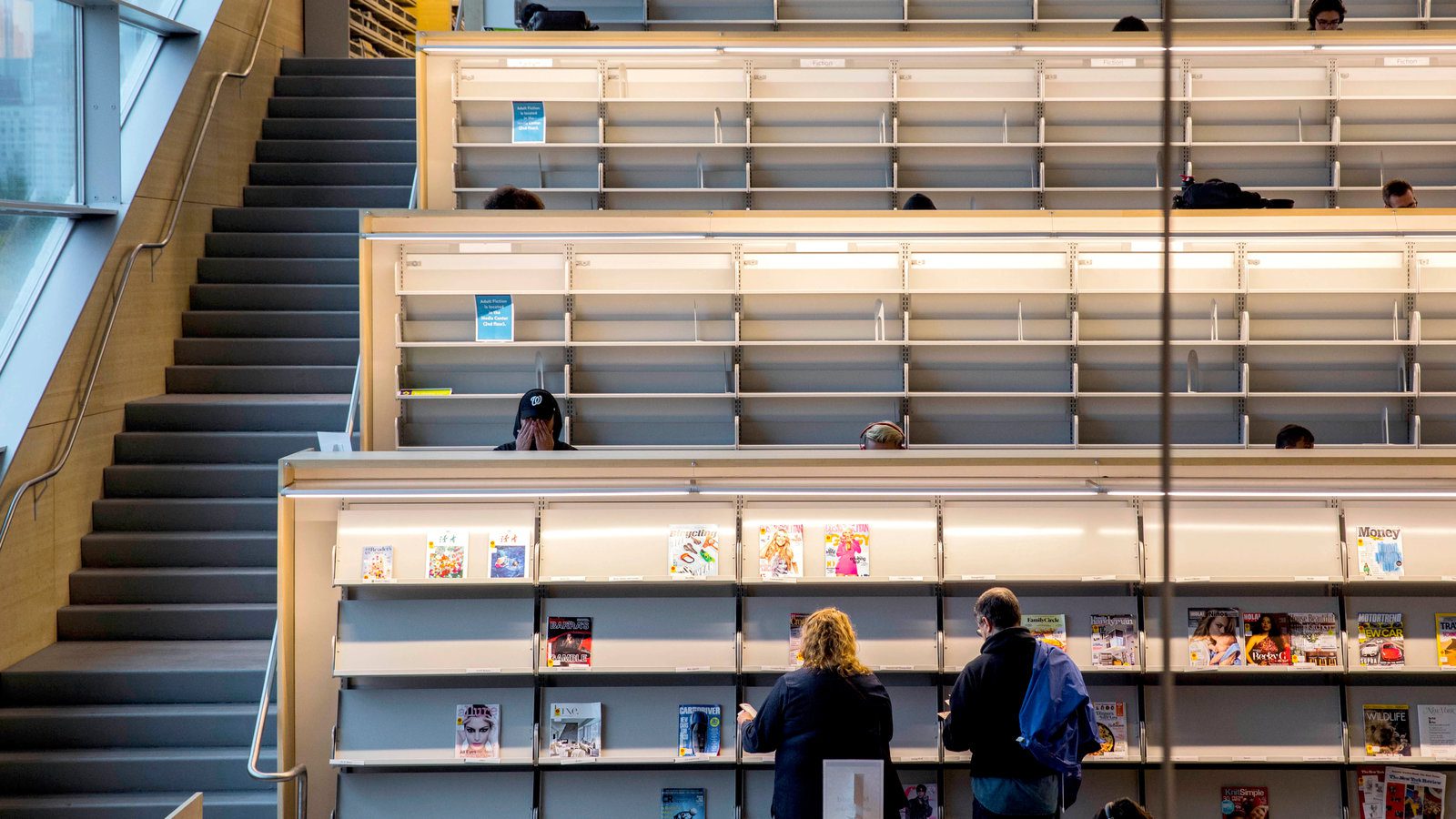
The Queens Public Library also supports immigrant adaptation to American society. Popular books and multimedia collections are available in multiple languages, and adaptation programs and cultural events are regularly organized. Thousands attend free official classes to learn English or join informal conversation groups to develop fluency.
Pathways to Citizenship programs help foreign-born professionals obtain U.S. certificates. Library staff assist in job searches and skills development. Free services include in-person and online career assessments, workshops to enhance computer literacy, online learning with certificate awards, resume reviews, and interview preparation.
Queens Public Library also cares about its patrons’ health. Through Queens Library HealthLink and Queens Library ConnectCare, clients receive assistance in finding free or affordable medical check-ups and making appointments, regardless of health insurance status.