

Queens General Hospital opened its doors in 1935 as the first municipal general hospital in the borough. Learn more about the origins of this facility and its later merger with other medical institutions to form the Queens Hospital Center on queens1.one.
Construction and Opening
In 1928, the Queens County Medical Society petitioned the New York City Board of Estimate and then-Mayor for a free public hospital in the borough. At that time, Queens lacked municipal general hospitals, requiring residents to rely on Brooklyn and Manhattan facilities. In 1929, the city proposed the establishment of Queens General Hospital.
The cornerstone of the main building was laid by the mayor in June 1931. Construction was nearly complete by 1932, but funds were insufficient for equipment and furnishings. Two years later, New York City received an $800,000 grant, with $260,000 allocated to this hospital. In 1935, the new facility began operating.
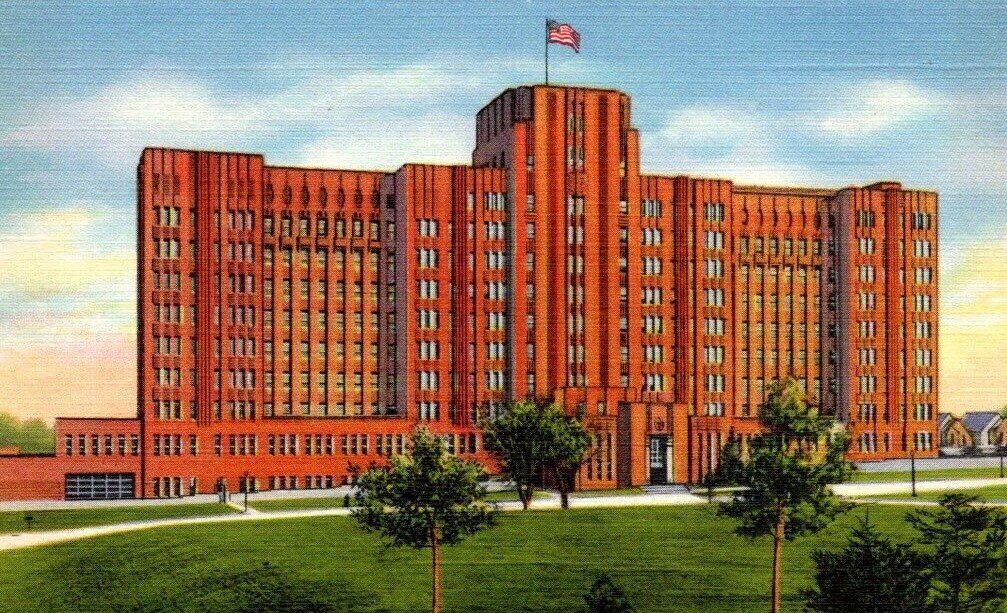
The Queens General Hospital campus was called a “miniature city” due to its numerous buildings, along with a neighboring power plant, heating plant, and laundry building. The hospital featured specialized X-ray equipment, radium for cancer treatment, and “iron lungs” (a mechanical respirator that modulates air pressure to stimulate breathing).
The first patient was admitted to Queens General Hospital in November 1935. The hospital treated patients who could not afford private hospital care.
The State-Run Hospital Complex
In March 1936, Queens General Hospital absorbed the neighboring Queensboro Hospital for Communicable Diseases, causing a large influx of patients. In 1941, Triboro Hospital for Tuberculosis joined the complex. In 1959, these three and two other facilities were consolidated into a large state-run hospital complex known as Queens Hospital Center.
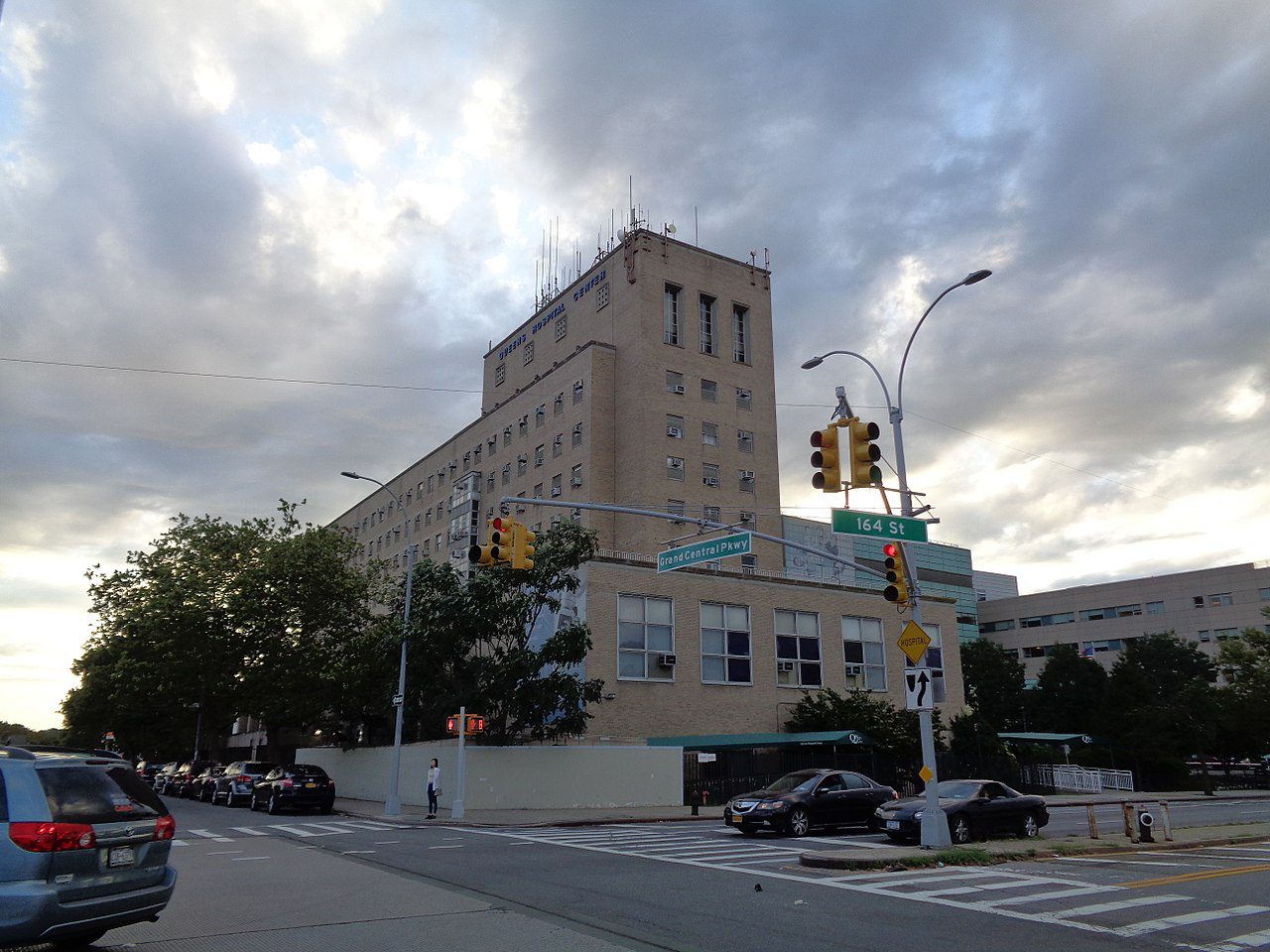
In 1954, a pediatric orthopedic rehabilitation center also opened here. That same year, Queens Hospital Center and Queens College initiated an experimental two-year free nursing program, which later evolved into the Queens Hospital Center School of Nursing.
By the 1970s, the complex was considered outdated, as nearly all beds failed to meet state medical standards. Overcrowding and equipment shortages were chronic issues. To accommodate all patients, dozens of beds were set up in wards, breaching health standards. Additionally, private hospitals often referred unwanted patients to Queens Hospital Center, as the municipal hospital was obliged to accept them.
In the 1990s, the facility faced decline, with bed capacity reduced to 300. Despite this, it treated over 300,000 patients annually, nearly 40% of whom were uninsured. In April 1992, Mount Sinai Medical Center agreed to staff Queens Hospital Center with 352 physicians and 20 medical technicians. However, despite the presence of skilled personnel, significant safety issues persisted, including the lack of emergency exits in corridors, shared bathrooms for men and women, and inadequate ventilation.
In 1998, at least three of the original buildings were demolished to make way for new structures. In December 2001, the updated Queens Hospital Center campus opened its doors. A new pavilion across from the main hospital was officially inaugurated in 2007. Three years later, the Queens Gateway to Health Sciences Secondary School opened on the north end of the campus, followed by an ambulance station in 2016.