

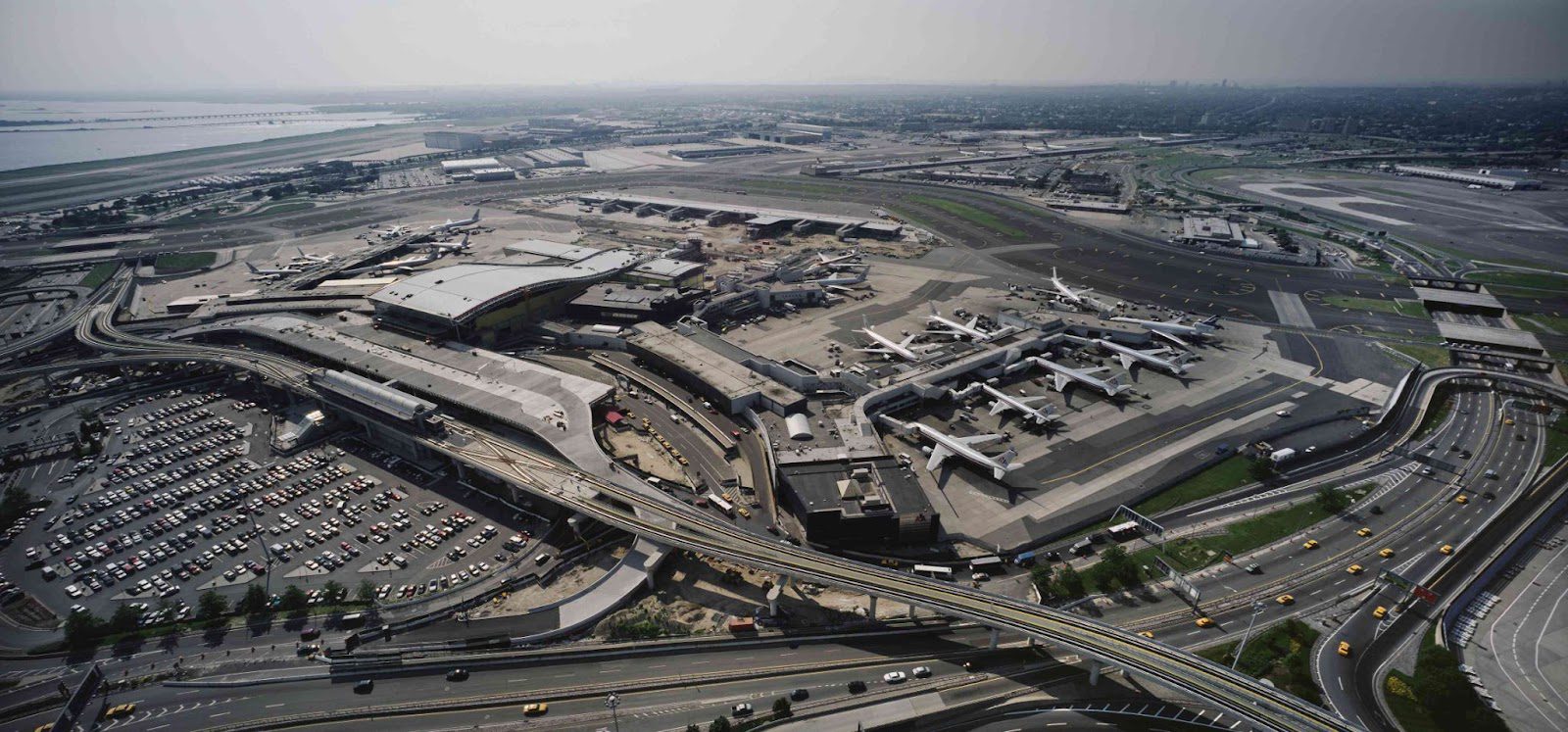
John F. Kennedy International Airport is the main public international airport for New York City, located in Queens. It’s the busiest international airport in the U.S. and serves as the country’s primary “air freight gateway” due to its large cargo volumes. Read more on queens1.one.
Early History
The airport opened in 1948 as Idlewild Airport, named after the Idlewild Beach golf course. It was constructed to ease the load on LaGuardia Airport, which had opened in 1939. After the assassination of John F. Kennedy in 1963, the airport was renamed in his honor.
The first flight took off on July 1, 1948, with only one terminal at the time. In the early 1950s, the airport averaged 73 flights per day. By 1954, Idlewild had the highest volume of international flights worldwide.
Originally, there were plans for a single terminal with 55 gates, but major airlines opposed this design. Architect Wallace Harrison developed an alternative concept, allocating individual terminals for each major airline.
There were no jet aircraft at LaGuardia until 1964, at which time Kennedy Airport became New York’s busiest airport, maintaining this status for decades. Between 1962 and 1967, Kennedy Airport had more takeoffs and landings than both LaGuardia and Newark Liberty combined, making it the second-busiest airport in the U.S.
A Few Facts
As of July 2024, more than 90 airlines operate from Kennedy Airport, connecting to destinations on all six continents. The longest flight route here – and globally – is from New York to Singapore, lasting almost 19 hours. Annually, about 55 million travelers pass through Kennedy Airport.
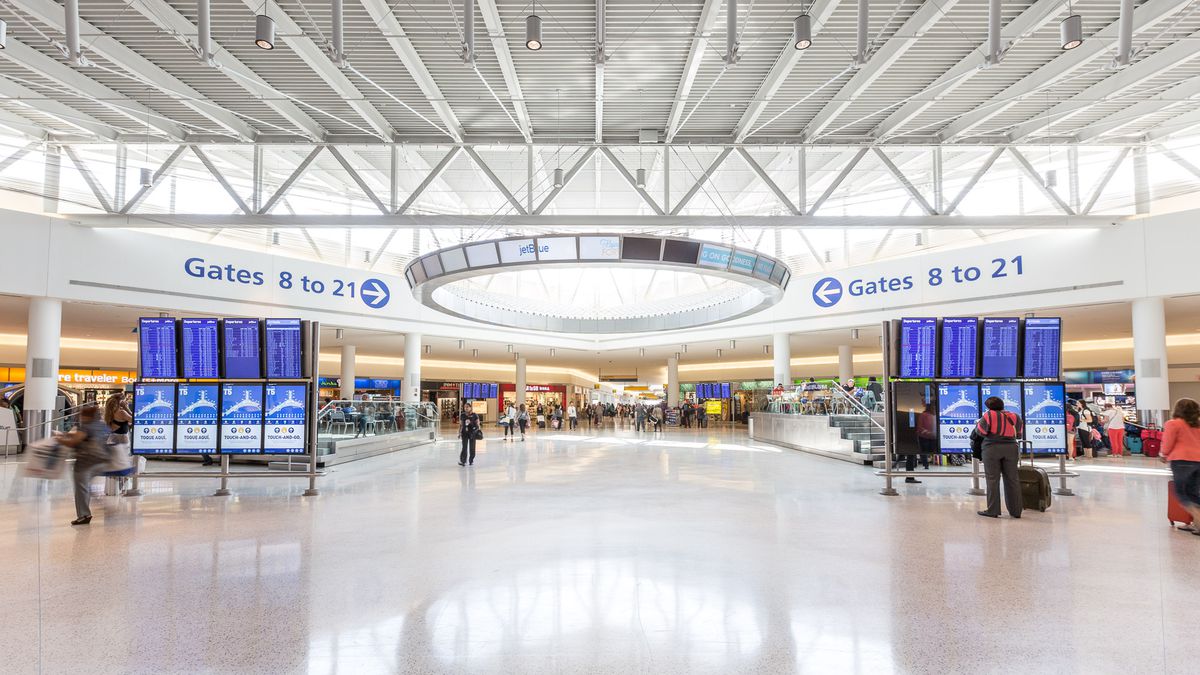
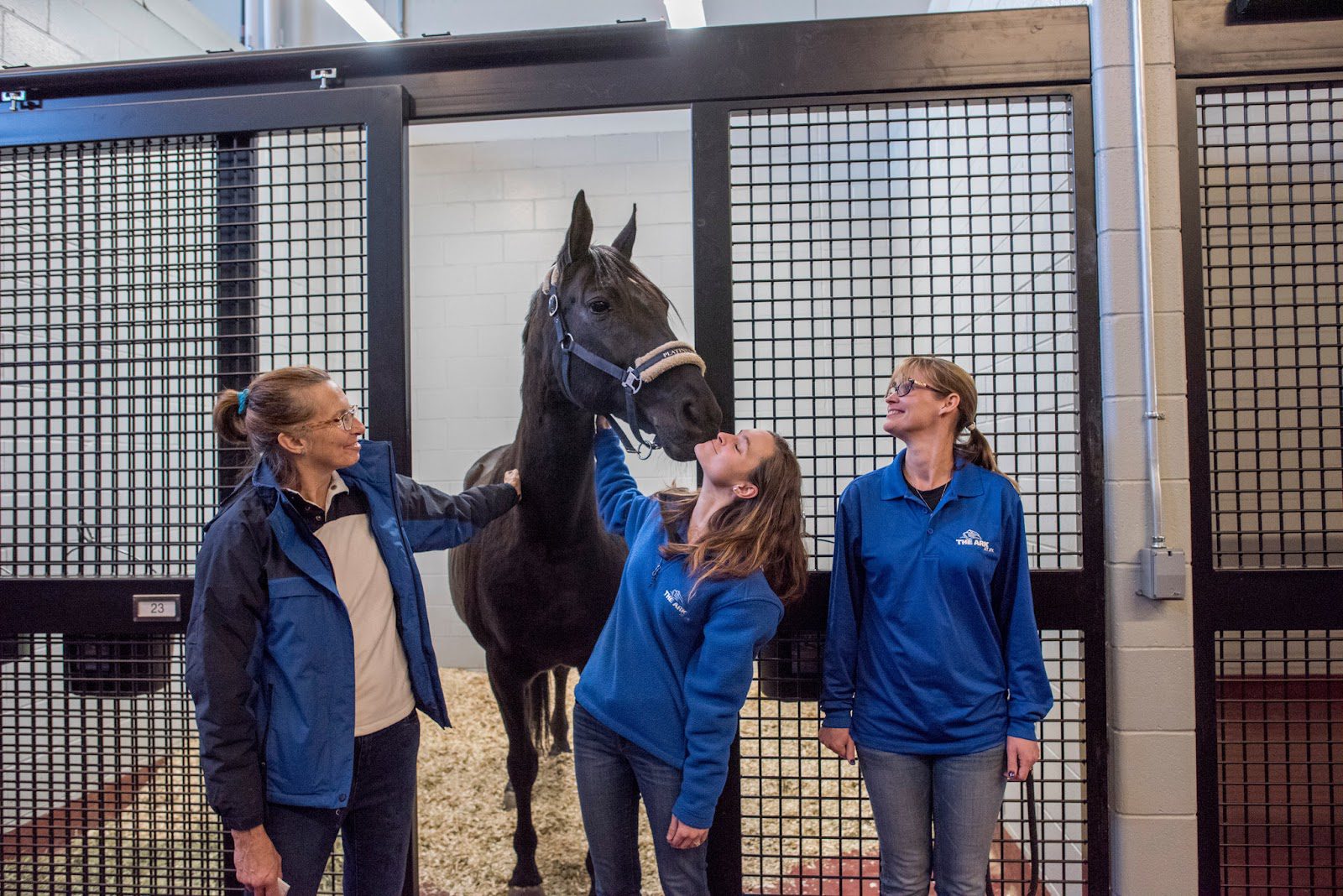
The airport features six passenger terminals and four runways. Each terminal showcases numerous sculptures and paintings, and there’s even a dedicated terminal for pets. This luxurious space offers various services, including wellness facilities for pets. Health centers, pools, and grass zones are available for dogs, cats, horses, birds, and more.
Kennedy Airport serves as the main connecting hub for American Airlines, the world’s largest airline by passenger-kilometers and fleet size. It’s also a primary hub for Delta Air Lines and JetBlue.
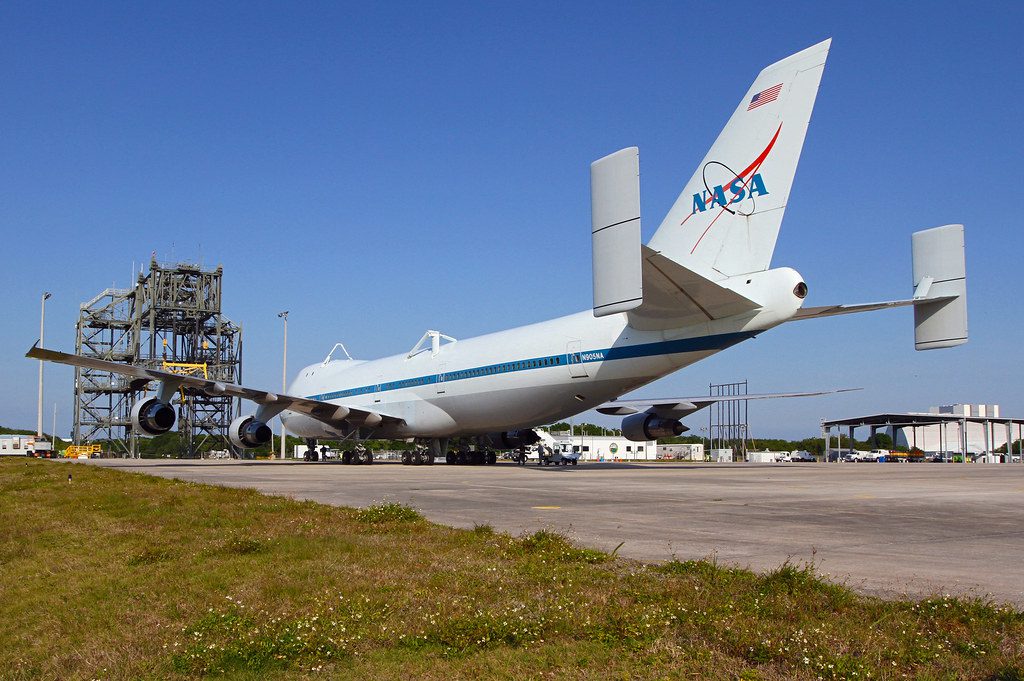
Interestingly, NASA and the U.S. Army use parts of the airport, including a restricted military station with a designated runway. The airport also has facilities for the landing of space shuttles on a special runway.
The only hotel within the airport, the Ramada Plaza, gained a somber reputation as temporary accommodation for families of crash victims, journalists, and crew members after a series of nearby aviation accidents. The hotel closed in 2009. Kennedy Airport also hosts the renowned Aviation Museum, which offers a brief history of aviation in New York and features artifacts from the space age.
Additionally, the airport includes a hidden softball field, a variant of baseball played with a larger ball, although this area is not open to the public.
Accidents and Incidents
Over its long history, Kennedy Airport has seen several aviation accidents and incidents. Here are some of the most serious.
In April 1952, a cargo plane with two passengers crashed near the airport, killing both passengers and three people on the ground. The crash resulted from a loss of control following an engine failure due to a damaged fuel valve.
In December 1954, a plane crashed during its fourth landing attempt, killing 26 of the 32 passengers. In December 1960, a major mid-air collision claimed the lives of 128 passengers and six people on the ground.
In January 1961, a plane with 97 passengers and nine crew members crashed and burned on the runway in poor weather. In March 1962, a Boeing 707 crashed during takeoff due to steering problems, killing all 87 passengers and eight crew members. In November of that year, a Douglas DC-7 crashed on landing, resulting in 25 fatalities out of 51 on board.
In February 1965, another Douglas DC-7 crashed after takeoff following a collision with another plane, killing all 84 passengers and crew members. In June 1975, a Boeing 727 collided with runway lights during landing in a thunderstorm, resulting in the death of 113 passengers and crew members.
In February 1984, a plane landed in shallow water due to poor visibility and inadequate speed monitoring by the crew, injuring 12 passengers. In January 1990, a Boeing 707-321B crashed due to improper landing and fuel shortage, killing 73 passengers and crew members.
In February 1993, an Ethiopian man hijacked an Airbus A310 in Frankfurt, Germany, seeking asylum in the U.S., and landed the plane at Kennedy Airport, later surrendering to authorities.
In July 1996, a Boeing 747-100 exploded and fell into the Atlantic Ocean 12 minutes after taking off from Kennedy Airport. All 230 people on board perished, marking the third-largest aviation disaster in U.S. history.
In November 2001, an Airbus A300 crashed a few kilometers from the airport. As it gained altitude, the pilot overused the rudder controls to counteract turbulence, resulting in the deaths of all 260 people on board and five on the ground. This incident, occurring just two months after the September 11 attacks, initially led to suspicions of terrorism.
Major Robberies
In April 1967, the largest cash heist in U.S. history at the time took place. Members of the Lucchese crime family stole $420,000 from Air France’s cargo terminal at Kennedy Airport.
Air France frequently transported U.S. currency exchanged in Southeast Asia back to the U.S. for deposit. The airline carried three or four packages, each worth $60,000, per trip. Members of the mafia family obtained a key to the storage vault and easily accessed the cargo terminal. Inside, the robbers took seven bags of money, loading them into a large suitcase. The Lucchese crime family is one of the five mafia groups dominating organized crime in New York.
In December 1978, another significant robbery took place at Kennedy Airport, targeting Lufthansa. This heist surpassed the scale of the 1967 robbery. Six armed men in masks broke into Lufthansa’s cargo terminal, stealing nearly $6 million in cash and jewelry. The team needed only 64 minutes to complete the heist.
The Lucchese family is believed to have been involved, though the cash and jewels were never recovered. The robbery became one of the longest investigations in U.S. history, and only one individual was convicted after a 10-year investigation. This team’s story inspired director Martin Scorsese’s legendary 1990 film, Goodfellas.